How Bicomponent Fibers Work
 Bicomponent fibers are designed by combining two polymers during the fiber extrusion process. Each polymer maintains its own physical or chemical properties, allowing the finished fiber to perform multiple functions.
Common Polymer Combinations
- Polyester / Polyester (different melting points)
- Polypropylene / Polyethylene
- Polyester / Polyethylene
These combinations allow for controlled bonding, flexibility, and strength depending on the application.
Types of Bicomponent Fiber Structures
The arrangement of the two polymers within the fiber determines how the material behaves.
Sheath/Core Fibers
- One polymer forms the outer sheath
- The second polymer forms the inner core
Benefits:
- Outer layer can have a lower melting point for thermal bonding
- Core maintains strength and structure
- Ideal for air bonding processes
Side-by-Side Fibers
- Two polymers run parallel along the fiber length
Benefits:
- Creates crimping or texture
- Improves bulk and softness
- Enhances flexibility in the final fabric
Segmented Pie or Islands-in-the-Sea
- More complex multi-segment structures
Benefits:
- Can create ultra-fine fibers
- Useful for high-efficiency filtration applications
Key Advantages of Bicomponent Nonwoven Fabrics
Bicomponent technology enables a range of performance benefits that are difficult to achieve with single-polymer materials.
Thermal Bonding Without Binders
- Lower melting sheath allows fibers to bond without adhesives
- Reduces chemical usage
- Improves product consistency
Enhanced Strength and Durability
- Core polymer maintains structural integrity
- Improved resistance to wear and deformation
Softness and Comfort
- Fiber design allows for improved hand feel
- Ideal for hygiene and medical applications
Improved Process Efficiency
- Easier bonding during manufacturing
- Supports high-speed production
Customizable Performance
- Tailored for specific applications
- Adjustable fiber ratios and configurations
Applications for Bicomponent Nonwoven Fabrics
Bicomponent nonwovens are used in applications where performance, efficiency, and consistency are critical.
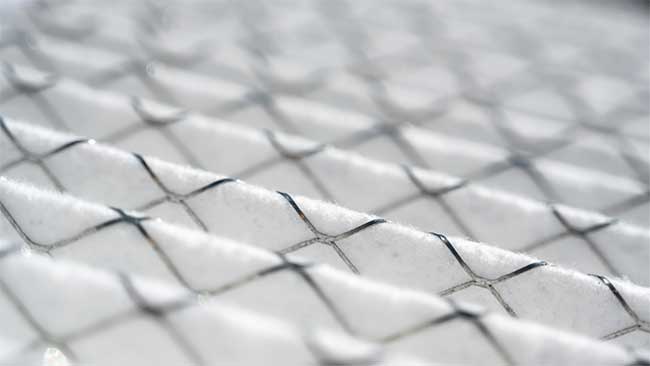
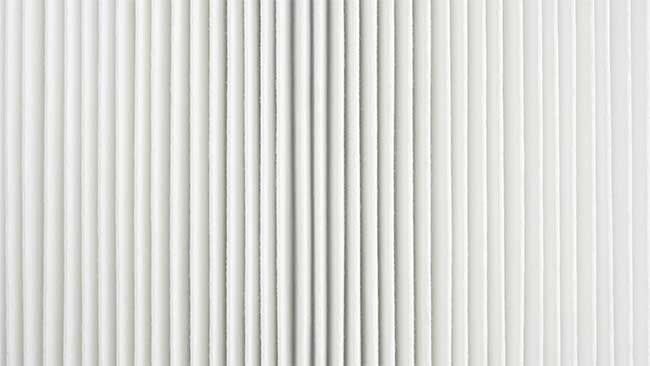
Filtration Media
- Air filtration systems
- HVAC filters
- Industrial filtration
Bicomponent fibers help create gradient structures that improve particle capture while maintaining airflow.
Hygiene and Personal Care
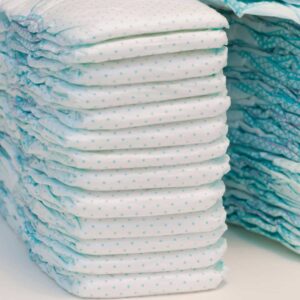
- Diapers and absorbent products
- Wipes and personal care materials
Softness and bonding performance make bicomponent fibers ideal for skin-contact applications.
Medical Applications
- Surgical materials
- Medical disposables
- Wound care products
These materials provide a balance of strength, softness, and performance.
Industrial Applications
- Insulation materials
- Automotive components
- Construction products
Bicomponent Nonwovens in Air Bonding Applications
Bicomponent fibers are widely used in through-air bonding processes, where heat is applied to activate the lower melting polymer component.
This allows fibers to bond at specific points without compromising the structure of the material.
Benefits of Air Bonding with Bicomponent Fibers
- Uniform bonding across the fabric
- Improved loft and bulk
- Consistent performance
- Reduced need for chemical binders
This process is especially valuable for filtration and hygiene applications.
Custom Bicomponent Nonwoven Solutions
WPT Nonwovens develops bicomponent materials customized to each application’s performance requirements.
Customization Capabilities Include:
- Fiber selection and polymer combinations
- Sheath/core ratio adjustments
- Fabric weight and density control
- Surface treatments and finishes
- Roll goods and converting options
This flexibility allows manufacturers to optimize performance, cost, and manufacturability.
Why Choose WPT Nonwovens for Bicomponent Fabrics
WPT Nonwovens combines technical expertise with flexible manufacturing capabilities to deliver high-performance bicomponent nonwoven materials.
Application-Focused Engineering
Materials are designed based on real-world performance requirements.
Rapid Sampling and Development
Quick turnaround supports faster product development cycles.
Domestic U.S. Manufacturing
- Reliable supply chain
- Consistent quality
- Faster lead times
Collaborative Approach
WPT works closely with customers to refine materials and improve performance over time.
Ready to Develop a High-Performance Bicomponent Nonwoven Solution?
If your application requires advanced material performance, bicomponent nonwoven fabrics offer a powerful solution.
WPT Nonwovens works with manufacturers to design and produce custom-engineered materials that meet exact specifications and performance goals.
Contact WPT Nonwovens today to discuss your project, request samples, and explore bicomponent nonwoven solutions.