Key Takeaways
- Nonwoven filtration media is transforming filter performance across air, liquid, and industrial filtration applications.
- Engineered fiber structures allow precise particle capture while maintaining airflow and system efficiency.
- Modern nonwoven materials can be customized with coatings, treatments, and fiber blends for specialized filtration needs.
- Nonwoven filters often provide improved durability, lower pressure drop, and better overall filtration efficiency compared to traditional materials.
- Industries including HVAC, automotive, medical, and industrial processing increasingly rely on nonwoven media for advanced filtration performance.
- Domestic manufacturers with advanced production capabilities can help filter designers achieve consistent performance and reliable supply.
The Growing Demand for Higher-Performance Filtration
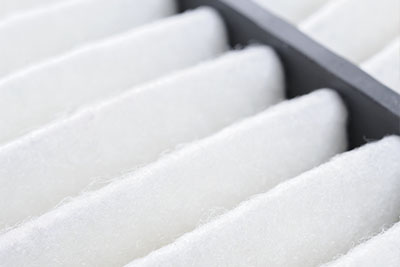 Filtration plays a critical role in protecting equipment, maintaining air and water quality, and meeting regulatory standards across many industries. As environmental standards tighten and product performance expectations increase, manufacturers of filter products face new challenges.
Modern filtration systems must accomplish several goals simultaneously:
Filtration plays a critical role in protecting equipment, maintaining air and water quality, and meeting regulatory standards across many industries. As environmental standards tighten and product performance expectations increase, manufacturers of filter products face new challenges.
Modern filtration systems must accomplish several goals simultaneously:
- Capture increasingly smaller particles
- Maintain efficient airflow or fluid flow
- Operate reliably in demanding environments
- Minimize energy consumption and system resistance
- Maintain consistent performance across large production runs
What Makes Nonwoven Filtration Media Different?
Unlike woven fabrics that rely on a simple over-and-under yarn pattern, nonwoven filtration media is produced by bonding fibers together into a web structure. This structure can be engineered to create highly controlled filtration performance. The fibers used in nonwoven filtration media may include materials such as:- Polypropylene
- Polyester
- Rayon
- Specialty synthetic blends
Engineered Fiber Structures Improve Filtration Performance
One of the biggest advantages of nonwoven filtration media is the ability to create multi-layer or gradient structures within the fabric. In these designs:- Larger particles are captured in the outer layers of the media
- Finer particles are captured deeper within the structure
- Air or liquid continues to flow with minimal restriction
Versatility Across Many Filtration Applications
Because nonwoven materials can be engineered for specific performance goals, they are used across a wide range of filtration applications. Common uses for nonwoven filtration media include:- HVAC air filters used in residential, commercial, and industrial buildings
- Medical and face mask filtration products
- Automotive cabin air filters and engine filtration
- Liquid filtration systems for water, oil, and chemical processing
- Industrial dust collection systems
- Appliance filtration systems
Functional Treatments Expand Filtration Capabilities
Another advantage of nonwoven filtration media is the ability to add specialized treatments that improve performance in specific environments. Examples of common filtration media treatments include:- Anti-microbial and anti-bacterial finishes
- Anti-static treatments
- Hydrophilic or hydrophobic surface properties
- Flame-retardant materials
- Biodegradable material options
Why Filter Manufacturers Are Moving Toward Nonwoven Media
For companies designing filtration products, nonwoven materials offer several important advantages. Key benefits include:- Consistent filtration performance across large production volumes
- Improved particle capture efficiency
- Lower airflow resistance and reduced energy consumption
- Flexible material design for specialized filtration needs
- Compatibility with a wide range of filter product designs
Working with a Domestic Supplier for Custom Filtration Media
For filter manufacturers and product engineers, selecting the right filtration media supplier can be just as important as selecting the right material. A supplier with advanced production capabilities can provide:- Consistent web formation and fiber distribution
- Flexible material options including polypropylene, polyester, and rayon
- Custom converting and specialized material configurations
- Performance-enhancing coatings and finishes
- Reliable domestic manufacturing and supply chain stability